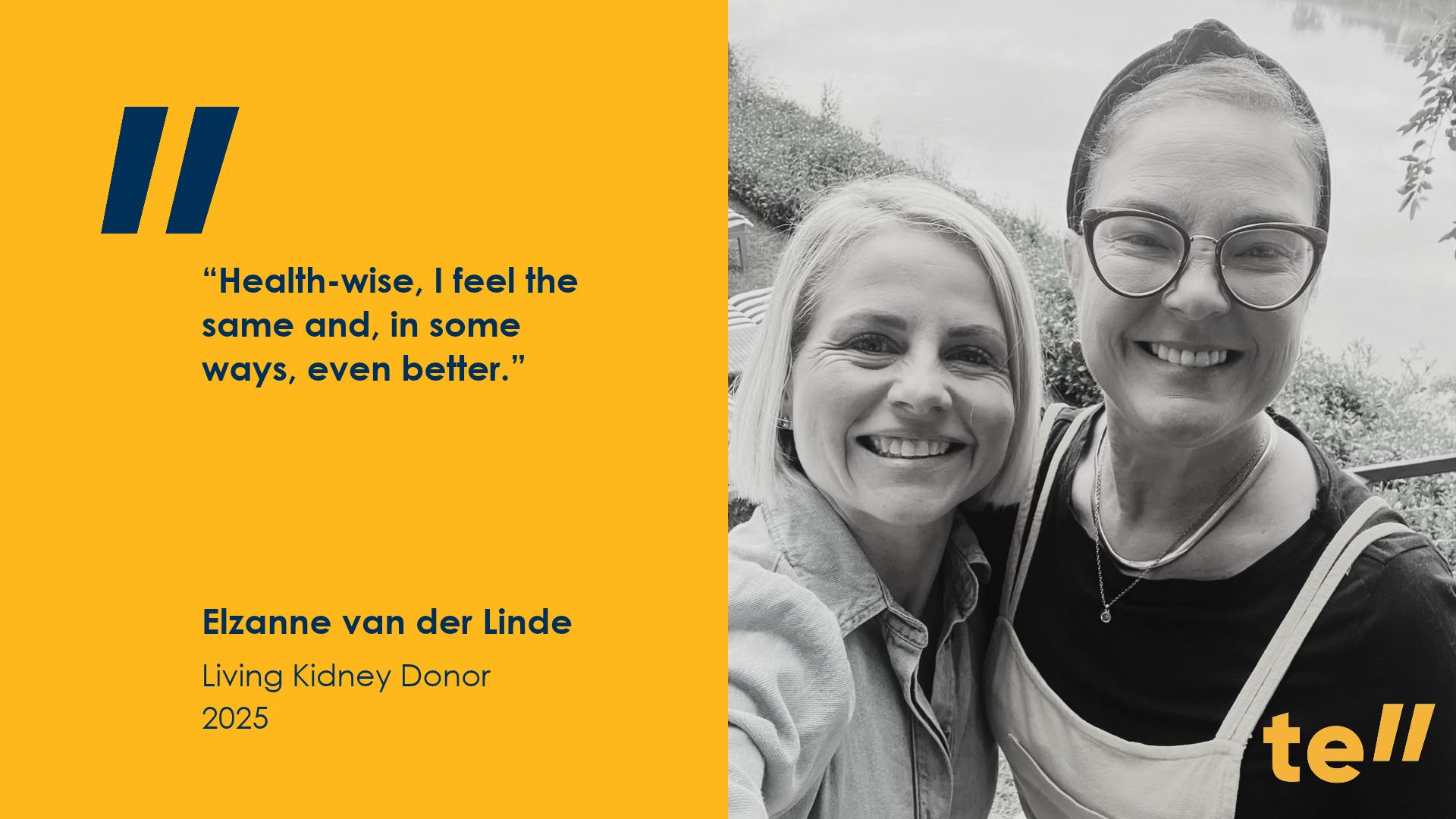
Living Kidney Donor- Elzanne van der Linde
Elzanne van der Linde, 43, from Upington, gave a kidney to Amoret in September 2025. Amoret had been on dialysis

National Kidney Awareness week focuses on making people aware of the importance of kidney health and educating the public on how to look after their kidneys. Kidney health for all, is the theme for this year’s focus and during National Kidney Awareness Week, Transplant Education for Living Legacies (TELL) is having conversations around kidney health.
What is kidney disease:
Our kidneys consist of filters that can filter up to 200 litres of fluid (2.5 bathtubs full) and excrete 1-2 litres of waste in a 24 hour period. When blood enters your kidneys, waste is removed and becomes urine, while clean blood returns to the body. Kidney disease means your kidneys are damaged and can’t filter blood the way they should. This leads to waste (toxins) building up in your body and complications such as high blood pressure, anemia, and heart and blood vessel disease. End Stage Kidney Disease (ESKD) is irreversible kidney damage that requires dialysis or a kidney transplant from a deceased or living donor.
Who is at risk:
Get your kidney function checked regularly if you are in the high-risk group. You are considered to be at a high risk to develop Chronic Kidney Disease (CKD) if you have:
● diabetes
● hypertension
● a family history of kidney disease
● issues with being overweight
Treatment options:
1.Dialysis:
Treatment for End Stage Renal failure will start when a patient has less than 15% kidney function left, however most people do get diagnosed at a very late stage. You can lose up to 90% of your kidney function without showing any signs or symptoms. Dialysis is the process where excess fluid and toxins are removed from your blood via a hemodialysis machine. One session takes four hours and a patient will typically need to have 3 sessions per week. That’s 624hours of treatment a year! Most children that require dialysis will be put on peritoneal dialysis, where the peritoneum (membrane) is used as a filter to remove excess fluid and toxins. This type of treatment is either done manually five times in a 24 hour period or via a machine for 12 hours per session.
In South Africa, it is estimated between 4000 to 6000 patients are on dialysis in the private and public sectors. This number does not reflect the total number of patients that actually require renal replacement therapy.
Not all patients with End Stage Renal Failure will qualify for a transplant or even be able to receive dialysis. In the state sector, dialysis is rationed and only patients who are eligible for a transplant can receive dialysis in the state sector. The cost of dialysis is around R280 000 per annum, compared to a transplant which is a more cost-effective treatment option.
2.Kidney Transplant
A kidney transplant is the preferred treatment for eligible patients with end-stage kidney disease (ESKD) although dialysis remains the predominant therapy across the globe. Research has shown that children have the best long-term graft survival of any age group of recipients and a transplant is also a better treatment option for children with impaired renal function as dialysis is not an adequate treatment option and can result in stunted growth. The risk of death is four times greater when on dialysis compared to a transplant.
Patients that qualify for a transplant will have a thorough medical assessment before they are placed on the deceased waiting list for a kidney. The waiting list for a kidney in South Africa for the O blood group is between 12-15 years, worldwide the demand for organs, but especially kidneys far greater than the supply. If the patient has any relatives or friends that are willing to be tested to see if they are a match this may lessen the time that the patient has to undergo dialysis treatment. Even strangers are able to donate to someone on the waiting list for a kidney.
A successful kidney transplantation reduces mortality and improves quality of life. Kidney transplantation is also associated with improved physical functioning, greater engagement in social and recreational activities, higher independence, and enhanced ability to work when compared with patients receiving other forms of renal replacement therapy such as dialysis.
A kidney transplant is not a cure and the recipient will have to take immunosuppressants for the rest of their life. Despite all the challenges, kidney transplant remains one of the most frequently performed transplantations worldwide.
Kidney still working after 27 years
Dev Moodley, is showing South Africans that you can live a full life after receiving a transplant. 27 years ago, Dev’s brother agreed to donate one of his kidneys and this gift has enabled Dev to participate in four World Transplant Games, and continue working full time up to the age of 58. Dev has been enjoying his retirement and spending precious time with his family. He still leads an active lifestyle and advocates for organ and tissue donation in his community.
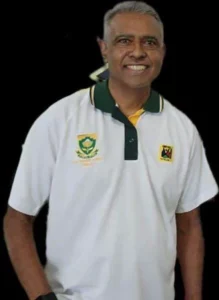
Photo: Dev Moodley in his South African Transplant Sports Colours
Gifting a Zane to peadiatric renal patients
TELL has parted with the Renal Care Society of South Africa and will be visiting peadiatric renal patients at the Nelson Mandela Children’s Hospital on Friday, 9 September 2022 to gift 30 Zane soft toys to the kids. These little warriors suffer from kidney disease and we want to gift them each a mini Zane! A Zane soft toy costs R250 and we need enough to gift all 30 kids so we’re asking everyone in a position to help to please make a contribution. Zane, our lifesize mascot will hand out the toys to the children to bring some joy to their lives and help them understand that being born different is OK.
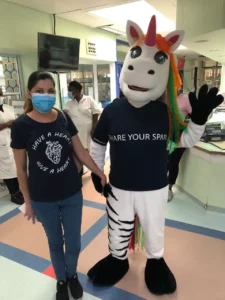
Photo 2: Fawn Kruger, Marketing Director of TELL with Zane our Mascot visiting children in hospital
Screening for kidney disease and raising awareness
On Saturday, 10 September 2022, TELL in collaboration with Hospicare, we will be at the Clearwater Shopping Centre in Johannesburg where the medical personnel of Hospicare will offer free kidney health screening and educate the public on kidney health. We invite everyone to join us at this event and get screened for FREE! Zane will also be there and we have some amazing giveaways throughout the day.
Transplant Education for Living legacies (TELL) is a NPO and PBO raising awareness about the importance of organ and tissue donation. We want to encourage the public to have the conversation with their loved ones about their wishes regarding organ and tissue donation.
If you wish to share your spare change with us, you can donate via YOKO or via EFT:
Name: Transplant Education for Living Legacies NPO
Bank: First National Bank (FNB)
Account type: Cheque
Account no: 62818725775
Branch code: 250655
YOCO:
https://pay.yoco.com/transplant-education-for-living-legacies
Additional Information
Kidney disease in South Africa
South Africa has one of the highest rates of end stage kidney failure in the world and a very low rate of organ and tissue donation and transplants. The lack of education in the medical field and the public at large around the situation is only making matters more difficult. Compared to other countries in the world, South Africa’s deceased donation rate is very low, Croatia has a rate of 30.2 per million population, where South Africa has less than three per million. Brazil has a rate of 14 per million population. Croatia was able to increase their transplant rate in a decade due to an integrated approach towards referrals and transplants.
It is also important to note that in South Africa, the donor’s family has the final say in whether
or not organs are permitted to be donated.
200 litres of fluid are filtered by your kidneys (2.5 bathtubs full) and excrete 1-2 litres of waste in a 24 hour period.
A kidney is the most frequently donated organ from a living donor.
Kidney disease in South Africa
● 10% of all people in the world have some form of kidney disease.
● 850 million people are affected by chronic kidney disease (CKD), with over 2 million people worldwide receiving dialysis or living with a kidney transplant.
● 15% of South Africans are affected.
● 20 000 new patients are diagnosed every year in South Africa.
● Two leading causes of Chronic Kidney Disease are diabetes and high blood pressure.
● South Africa has one of the highest rates of end stage kidney failure in the world.
Kidney Transplants in South Africa
● SA is one of 12 African countries that perform renal transplantation, and it is the only country in Africa that relies on deceased donation for the majority of its transplants.
● The first kidney transplant in SA took place in 1966, a year before the first heart transplant.
● The first dialysis in South Africa was done by a general practitioner that built his own dialysis machine in 1957.
● The overall 10-year increase in life expectancy of a kidney recipient compared to individuals on the waiting list.
Benefits of a kidney transplant include:
● significant improvement in physical functioning
● mental health
● social functioning
● overall perception of quality of life following a transplant.
Source:
www.worldkidneyday.org
“Organ Donation from death to life” Dr David Thomson
Aspects of deceased organ donation in paediatrics. J. Brierley and A. Hasan
Nephrology in South Africa: not yet Ubuntu. N Wearne, et al.
Dialysis, Distress, and Difficult Conversations: Living with a Kidney Transplant. Clare
McKeaveney et al.
Who is TELL?
TELL (Transplant Education for Living Legacies) was established in November 2018. Two of the three founders, Alice & Fawn, are double lung transplant recipients and are therefore in a unique position to make a contribution to the transplant community. Stella has since joined the team and is currently on the waiting list for a kidney. She brings perspective from a patient who has been on the waiting list since 2012. Most of TELL’s volunteers are either waiting for a transplant or have received a transplant. Through awareness campaigns and education initiatives, they aim to lead the conversation surrounding organ and tissue donation in South Africa.
They are a registered Non-Profit Organisation (#219-134NPO) and a Public Benefit Organisation (930069136).
The Zane Project
TELL’s mascot, Zane the Zunicorn raises awareness about organ and tissue donation and teaches kids and adults alike how important it is to SHARE THEIR SPARE. Luckily for Zane, Zebra was able to share his spare and enabled Zane to live his life to the fullest with his Zebra leg. Zane was sponsored by Mascots SA – www.mascots.co.za and he tells everyone how being born different is ok. We found that by using Zane’s story, children understand organ and tissue donation and don’t find the concept frightening. Travis Kruger was gracious enough to agree to be our ‘Zane’. Travis is married to Fawn, one of the co-founders and Marketing Director of TELL.
Individuals and corporates shared their spare change and enabled TELL to raise funds for our Zane Project. Zane is an education toy made by the Rare Bear Project, part of Rare Diseases
SA (https://rarebearproject.org)
Who is Zane?
Zane was born different. He is a Unicorn that had an illness that made him feel sick and tired. As he grew up, he started to feel worse and worse until his doctors told him that he needed an operation. One of his parts was no longer working and he would have to wait for a stranger to give him a new leg. Zane waited patiently and one day a miracle happened. A spare part was found for Zane and the doctors could finally operate on him. It took some time for Zane to recover from the operation but soon he started getting his energy back. He felt better than ever and loved his donated zebra leg which had changed him from a Unicorn to a Zunicorn!
Zane now spends his days telling kids how important it is to SHARE THEIR SPARE and how being born different is ok.
Renal Care Society of South Africa (RCCSA)
The Renal Care Society of South Africa was established in May 1975 and their mission is to advance the professional development of members practicing in nephrology, transplantation and related therapies, and to promote the highest standards of patient care.
www.renalcaresoc.org
Nelson Mandela Children Hospital (NMCH)– Renal Unit
The dialysis unit at NMCH which opened in March 2018, is one of the biggest paediatric dialysis units in the country. The unit adopts a holistic approach to dialysis and uses both peritoneal and haemodialysis to provide treatment to children with renal failure, be it from congenital or acquired causes of kidney disease.
https://www.nelsonmandelachildrenshospital.org/
Hospicare:
The team of seasoned professionals offers uncompromised top class renal care and support, tailored to your unique lifestyle. Hospicare Renal Kidney Dialysis Centre is a state-of-the-art facility housed in the Hospicare Kruinpark Frail Care Facility.
https://hospicare.co.za/renal-care/
Elzanne van der Linde, 43, from Upington, gave a kidney to Amoret in September 2025. Amoret had been on dialysis
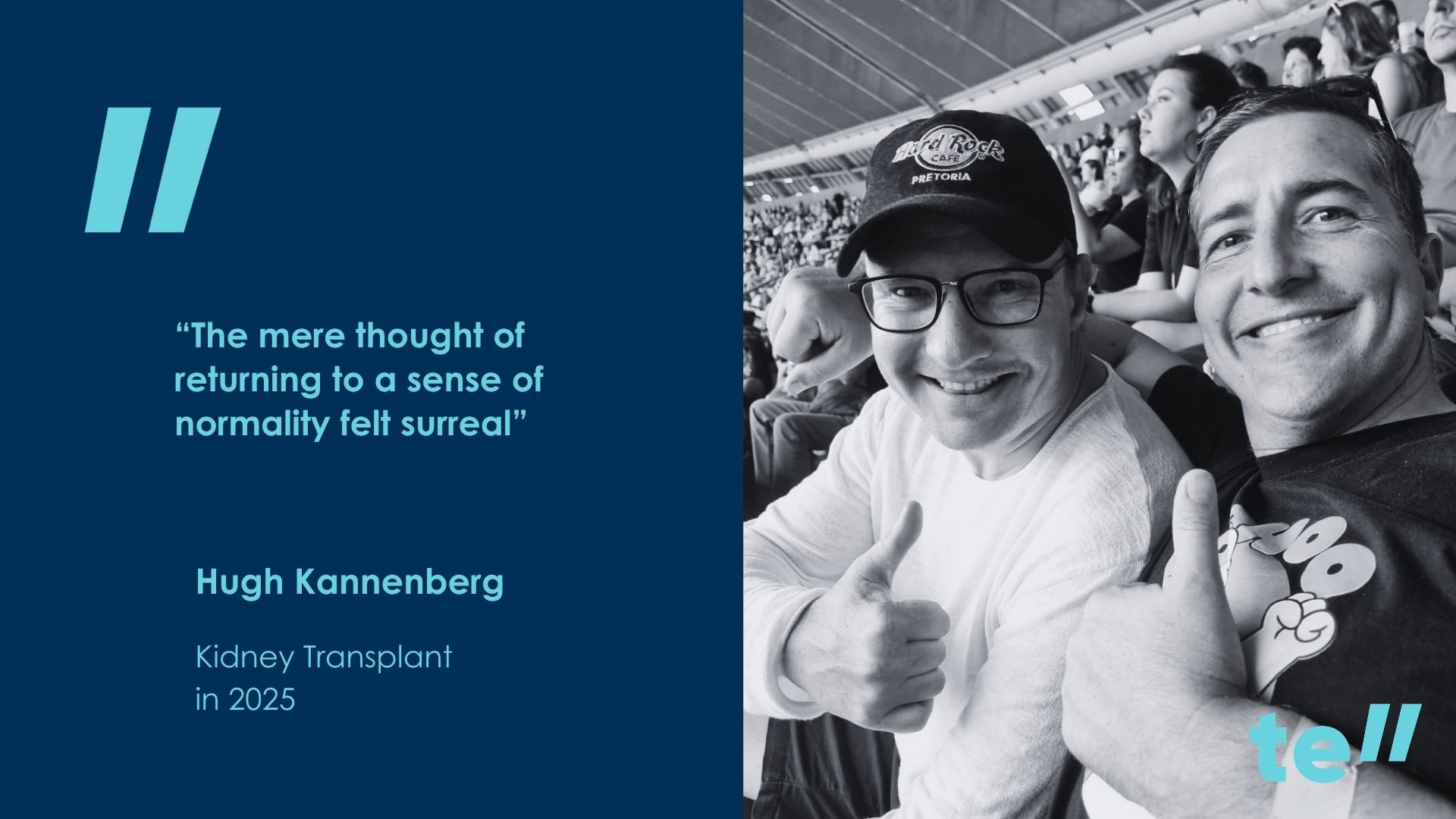
For three years, Hugh Kannenberg (46) from Pretoria lived on a week that was three days shorter than everyone else’s,
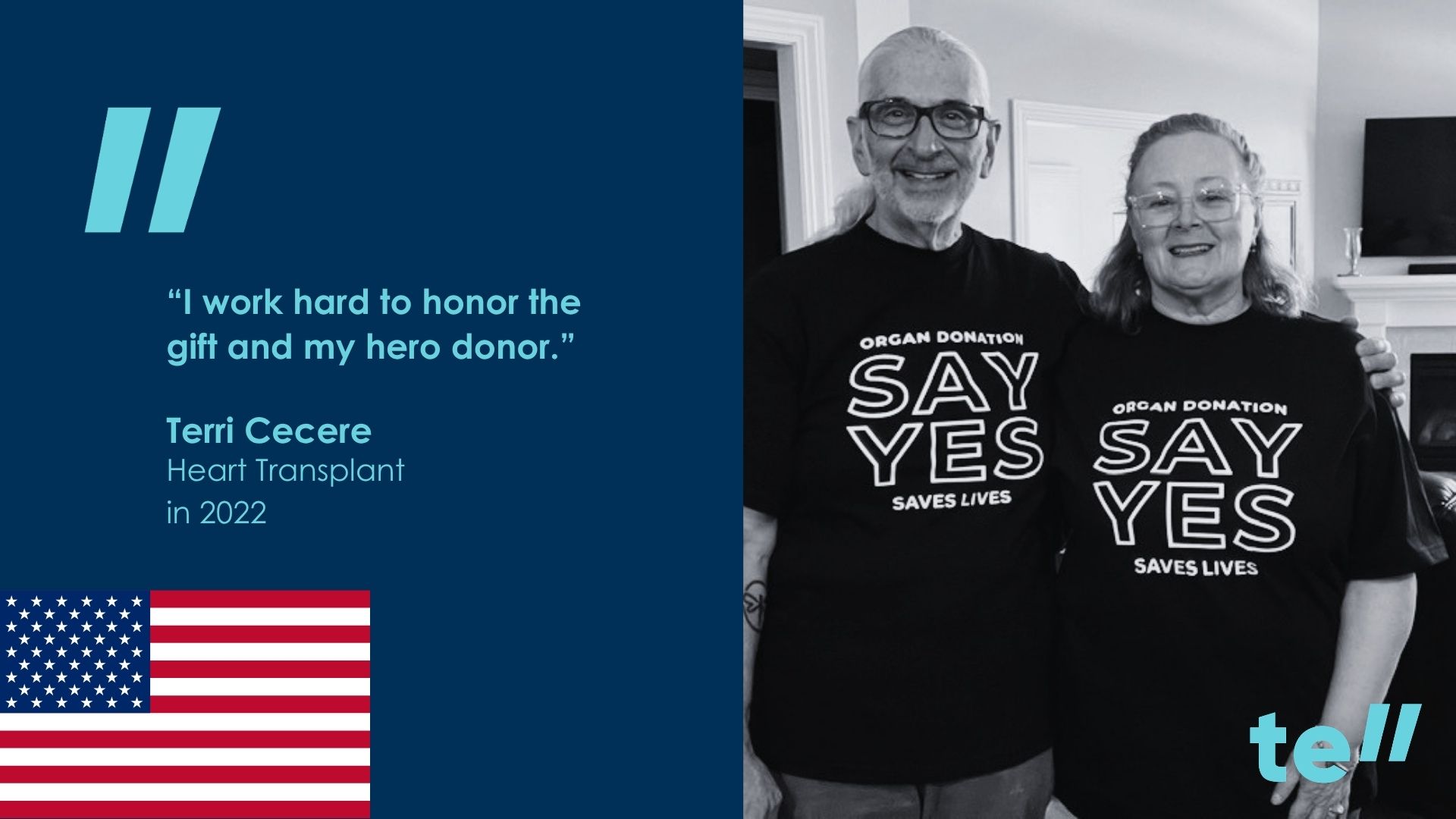
After living with cardiomyopathy for 17 years, Terri Cecere received a life-saving heart transplant in 2022 — just four days
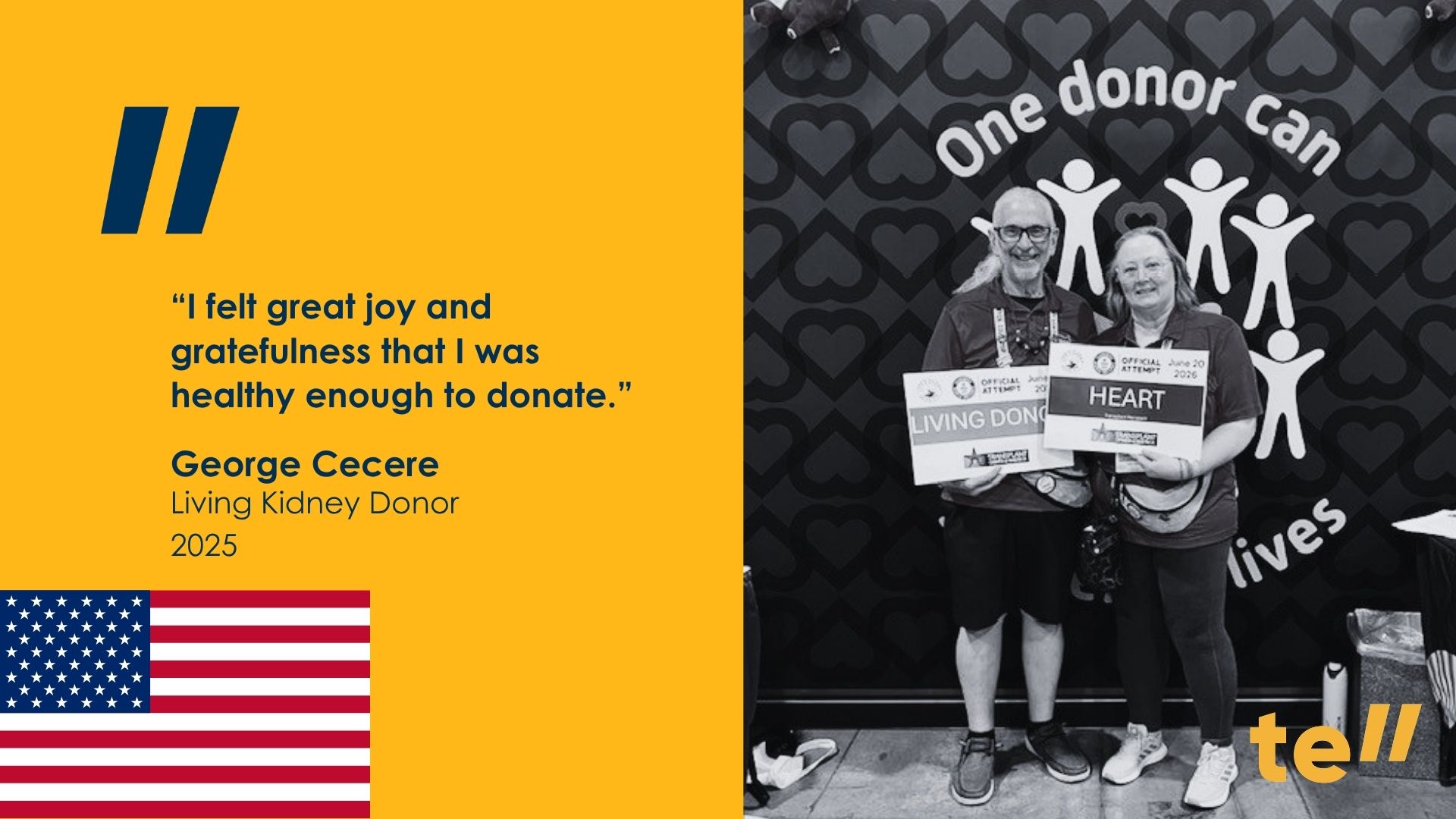
When George Cecere’s wife received a life-saving heart transplant, it transformed their family’s future. Three years later, he chose to