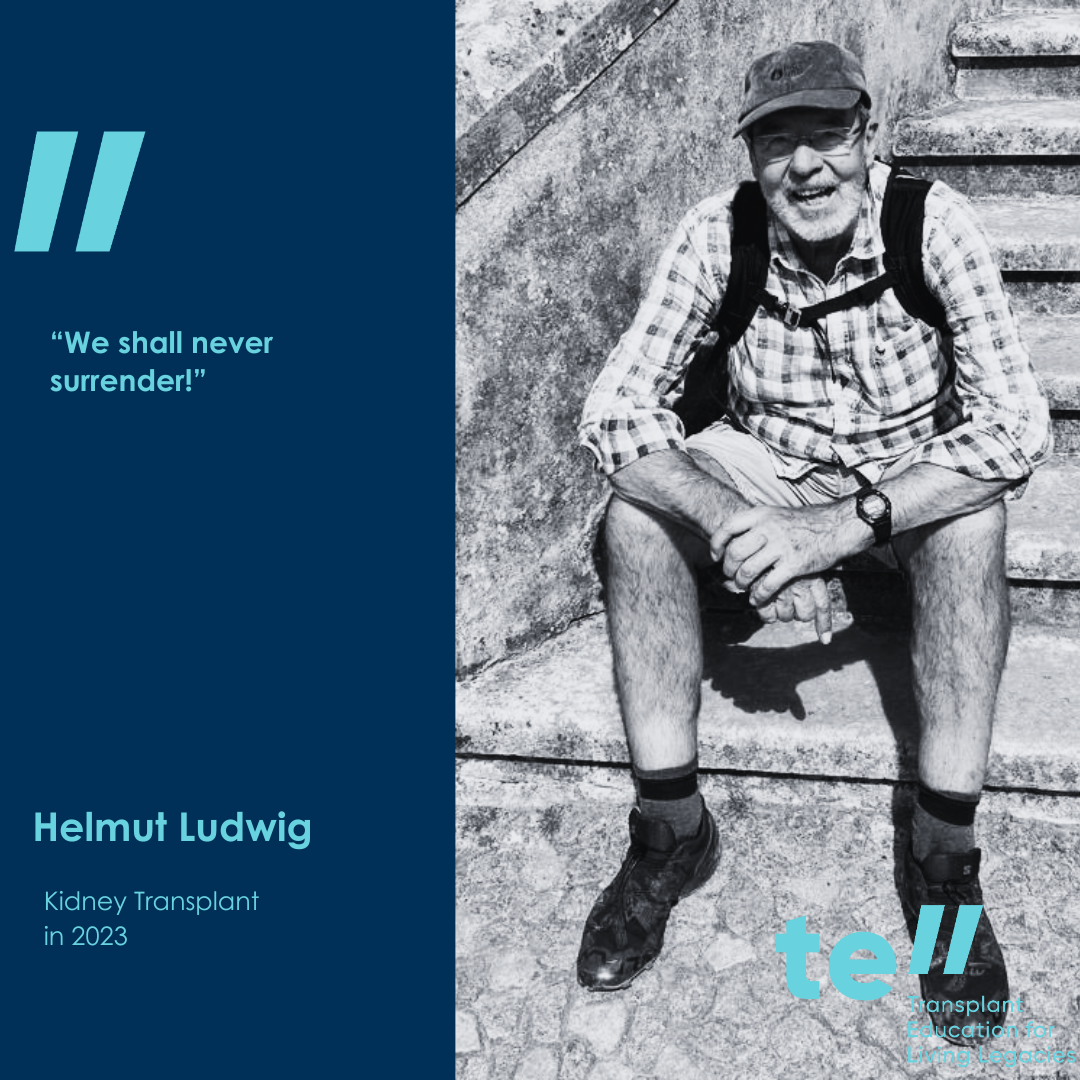
Kidney Transplant – Helmut Ludwig
Helmut Ludwig is a 69-year-old kidney transplant recipient and avid cyclist living south of Simon’s Town at Castle Rock near

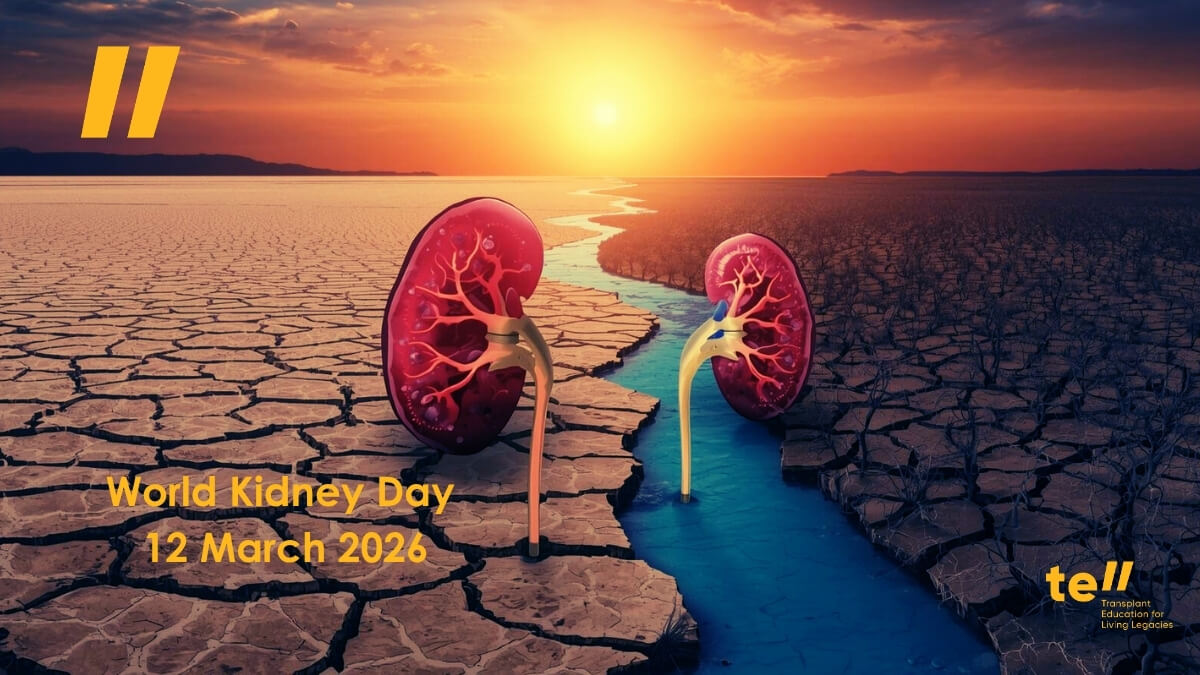
Press Release: World Kidney Day
World Kidney Day in South Africa: Caring for People, Protecting the Planet, and Beating the Heat
South Africa | World Kidney Day
Chronic kidney disease (CKD) affects millions of South Africans and remains one of the country’s most underdiagnosed long-term health conditions. Often silent in its early stages, kidney disease can progress unnoticed until it leads to serious complications, kidney failure, and dependence on dialysis or transplantation.
This World Kidney Day, celebrated on 12 March, Transplant Education for Living Legacies (TELL) is placing a strong local spotlight on the growing intersection between kidney health, climate change, and equity of care. In South Africa, who survives kidney failure in South Africa still depends far too much on where you live and what resources you can access.
Dialysis: Saving Lives, at a Cost to the Planet.
According to World Kidney Day, treatments for end-stage kidney disease, particularly dialysis, are highly resource-intensive. Dialysis consumes vast amounts of water and energy, relies heavily on single-use plastics, and generates significant greenhouse gas emissions. A single hemodialysis session can have a carbon footprint equivalent to driving nearly 240 kilometres.
To put this into perspective, Stella de Kock, Managing Director of TELL, has lived with kidney failure for the past 15 years, one year on peritoneal dialysis and 14 years on hemodialysis. During this time, she has undergone approximately 2 400 dialysis sessions, the equivalent greenhouse gas emissions of driving nearly 560 000 kilometres.
“A kidney transplant would not only restore my health and quality of life, it would also end the ongoing environmental burden of lifelong dialysis,” says de Kock, who actively recycles at home and remains acutely aware of the environmental impact of her treatment.
Expanding access to kidney transplantation improves lives while significantly reducing the environmental footprint of lifelong dialysis.
“It is of utmost importance to preserve your kidney function through a healthy lifestyle,” says Esme de Beer, Clinical Technologist – Nephrology (BTech) and independent practitioner. “As kidney function deteriorates and a person becomes dialysis-dependent, the environmental impact increases dramatically because of the water purification processes and the disposables used during each dialysis procedure.”
Heat Hits Harder Here
South Africa is experiencing hotter days, longer heatwaves, and more extreme weather, and kidneys are feeling it.
• Children feel heat faster than adults, increasing their risk of dehydration.
• People living with high blood pressure, diabetes, or chronic kidney disease are more vulnerable during hot weather.
• Heat leads to fluid loss and more concentrated urine, increasing the risk of kidney stones and acute kidney injury.
• For people working outdoors, kidneys work overtime, especially without access to water, shade, and rest.
“Your kidneys play a critical role in maintaining balance in your body,”says Dr Shoyab Wadee, Nephrologist in private practice. “As the world adjusts to a new paradigm of climate norms, be sure to adjust your behaviour and awareness to help them do their job without harm.”
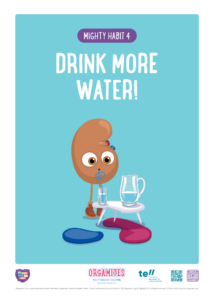
Hydration Is Kidney Care
Kidney protection doesn’t only happen in clinics; it happens at home, at school, and at work.
TELL encourages South Africans to:
• Make hydration normal: water breaks, shaded play, lighter meals on hot days.
• Check in at home with a simple question: “How’s your pee colour?”
Pale = hydrated. Dark = drink water. (We said what we said)
• Remember: consistent hydration is your kidney stone-prevention superpower.
“As climate change contributes to higher temperatures, staying hydrated becomes increasingly important, but drinking just anything can put kidneys at risk,” says Consolee Nishimwe, BTech Clinical Technology (TUT), PGDip Public Health (UP). “Sugary drinks, energy drinks, and excessive caffeine can worsen dehydration and force the kidneys to work harder, especially in the heat. Water remains the safest and most kidney-friendly choice, helping the body cope with rising temperatures while protecting kidney function.”
Why Equitable Access to Transplantation Matters
For people with kidney failure, transplantation is the best treatment option, offering longer survival, better quality of life, and freedom from lifelong dialysis.
Expanding equitable access to pre-emptive and early transplantation in South Africa is critical:
• It improves survival and quality of life for patients.
• It reduces dependence on dialysis, easing pressure on already stretched health systems.
• It lowers environmental impact, reducing water use, plastic waste, and greenhouse gas emissions associated with long-term dialysis.
• It helps address deep global and local disparities, where access to transplantation remains limited by geography, resources, and inequality.
Improving transplant access is not only a health priority, but it is also a social justice and sustainability imperative.
Early Detection Still Saves Lives
Early detection remains one of the most powerful tools in kidney care. Simple blood and urine tests can identify kidney problems early, allowing timely treatment that slows progression and reduces the need for intensive, costly care later.
Caring for People, Protecting the Planet
As South Africa faces both a kidney health crisis and a climate challenge, the two conversations can no longer be separated. Protecting kidney health means:
• Preventing disease early
• Supporting patients fairly
• Expanding access to transplantation
• Reducing environmental strain
• And creating healthier homes, schools, and workplaces
This World Kidney Day, TELL reminds South Africans:
Water, shade, early care, and equitable treatment save lives and protect our planet.
Helmut Ludwig is a 69-year-old kidney transplant recipient and avid cyclist living south of Simon’s Town at Castle Rock near
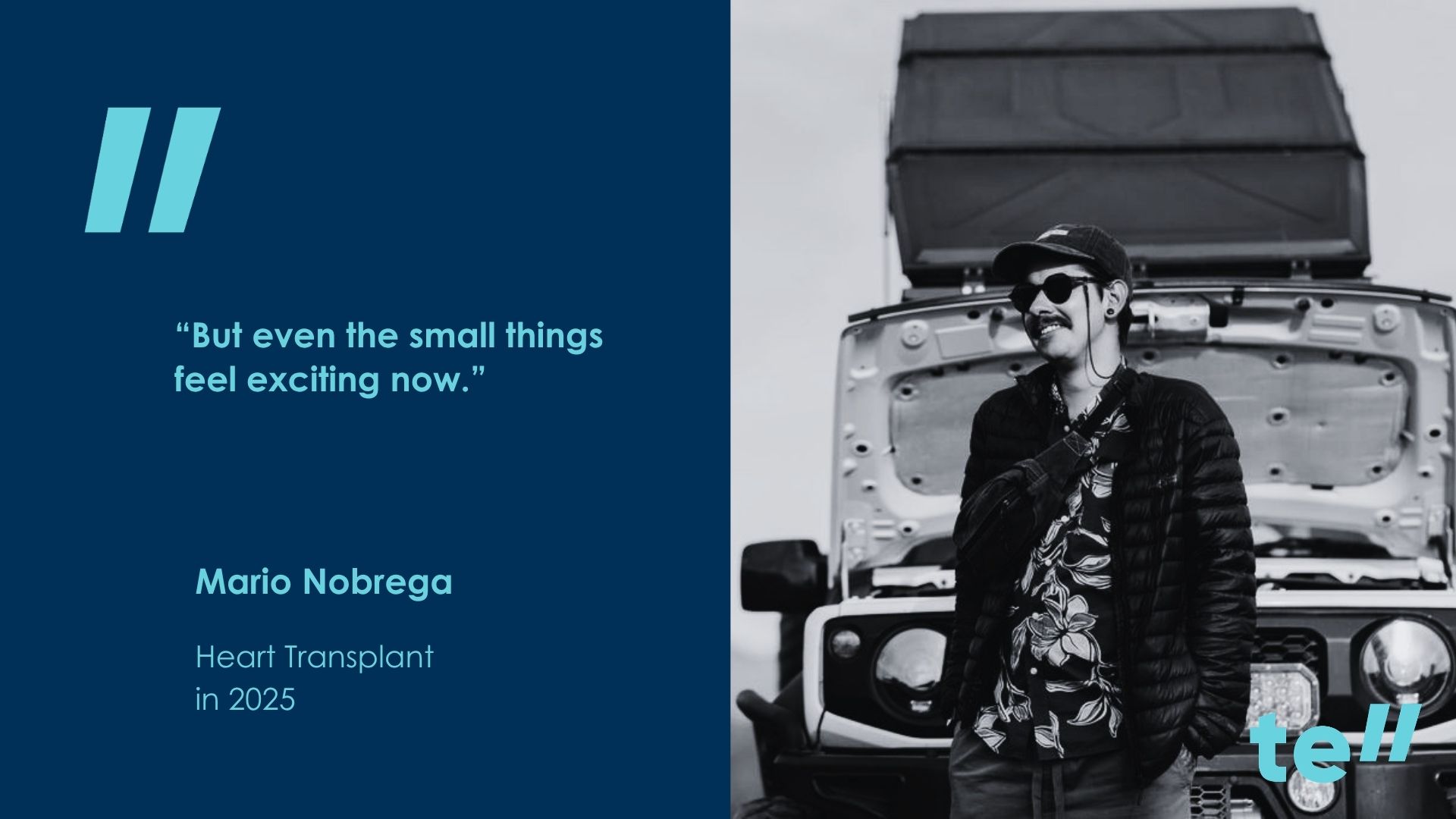
Transplant Tuesdays: Mario’s Heart Transplant Story At 31, Mario Nobrega, from Cape Town spent over a year on the transplant
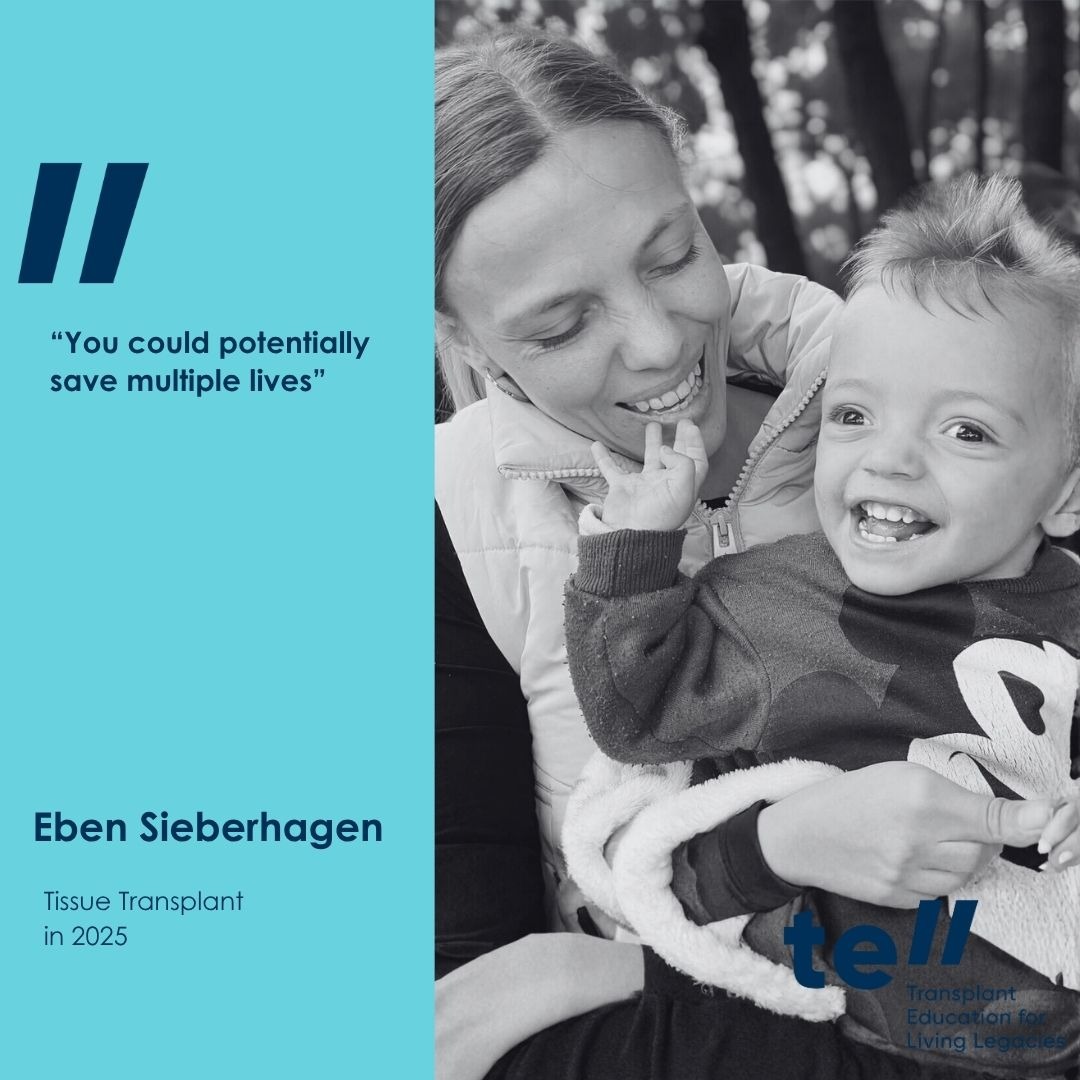
On #TransplantTuesday, we share the story of this tiny heart warrior, whose family’s dreams of first smiles and first steps

Meet Noncedo Ndlwana (38) from Cofimvaba, Eastern Cape. A Masters student in Journalism & Media Studies at Wits, and a